Informational Books

For this week’s blog post I read:

Math:

The Grapes of Math by Greg Tang, Published in 2004

Space:

Moonshot: The Flight of Apollo 11 by Brian Floca, published in 2009

Animal:

Camp Panda by Catherine Thimmish, published in 2018 (Sibert honor award)

Invention:

Inventors Who Changed the World by Heidi Poelman, Published in 2018

Ocean:

Giant Squid by Candace Fleming, Published in 2016 (Silbert Award honor)
For this week’s blog post I read a variety informational texts. This week’s genre is my favorite so far because the books are fun and informational for children. I chose to review the book “Giant Squid” by Candace Fleming. This book is awesome! It is written in an ominous way, that leads you through the depths of the ocean while teaching about giant squids. There is not much known about giant squids, so this book is very informational and intriguing for children.

I think the most interesting aspect of this book is the illustrations because it is all in a deep ocean blue color, along with small hints of the giant squid. One interesting thing about this book is that the cover page is actually a few pages into the story. Once you open the book, you jump into the story almost like you are diving into the ocean floor. According to the ECL book, evaluating informational books requires clear and easily understandable style. This book has an amazing flow and style where you feel as though you are in the ocean. This is a factual book that has engaging aspects throughout, where the words and pictures flow perfectly together.

To evoke readers response, I would ask students to write about an animal in the ocean they want to more about. I would ask them to explain why they interested in that particular oceanic animal. For a classroom activity, I would read the story to the students and have them close their eyes. After every 2-3 pages, I would have them open their eyes then draw about the story without looking at the illustrations. After I read the story aloud, I would show the students the illustrations and they can compare what they drew to the story.

Biographies

For this week’s post I read:

Picture books:

Nelson Mandela: Long Walk to Freedom by Chris Van Wyk, published in 2009

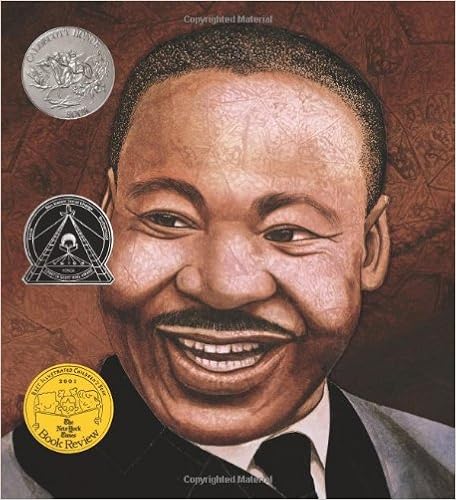
Martin’s Big Words by Doreen Rappaport, published in 2007

Easy Reader:

Trombone Shorty by Tony Andrews, published in 2015

Trombone Shorty

Chapter Book:

Small Steps: The Year I got Polio by Peg Kehret, published in 1996

Image result for small steps the year i got polio

For this week’s post, I chose to review “Small Steps: The Year I got Polio”. I chose this book because it was one of my favorite biographies in elementary school. I think I read it with my class in sixth grade. This book is an autobiography that captures the struggles patients went through with polio. The amount of faith and perseverance Peg Kehret had throughout this story is incredible. Peg was a typical young girl when she got diagnosed with polio. She wrote this story with an incredible insight as to what people went through during this time. She wrote this in a way that is easy for all students to understand even though it is a very heavy topic.

From the ECL book, one of the questions referred to for a great biography is “Is the depth coverage appropriate for the intended audience?” I think this book covers the life of Peg Kehret in an age-appropriate way perfectly encapturing the illness of polio. The topic is very heavy and could stray students away from reading this book, but she wrote about her normal life at school which makes it relatable for students. I remember reading this book twice while I was in elementary school because I loved reading chapter books and true stories always interested me. The language used throughout the story is easy to understand and deep enough to learn more vocabulary for students.

To incorporate this into the classroom, I would have students do a type of report on this book. I think students can learn a lot about Peg Kehret and her life with polio, and how it changed everything forever. I think a lot of students can relate to events in their life that have changed them. I would have students conduct more research about Polio and Peg Kehret. I would have them create a poster with artistic elements within it. To evoke readers response, I would ask students to write about a time they felt scared but held out hope to help them through a hard time. This would be an activity I would do with older students, probably sixth grade. If students cannot think of a time like that, I would have them think of someone they know or a book they have read where a character felt scared and had hope throughout.

Historical Fiction

For this week’s post I read:

Picturebooks:

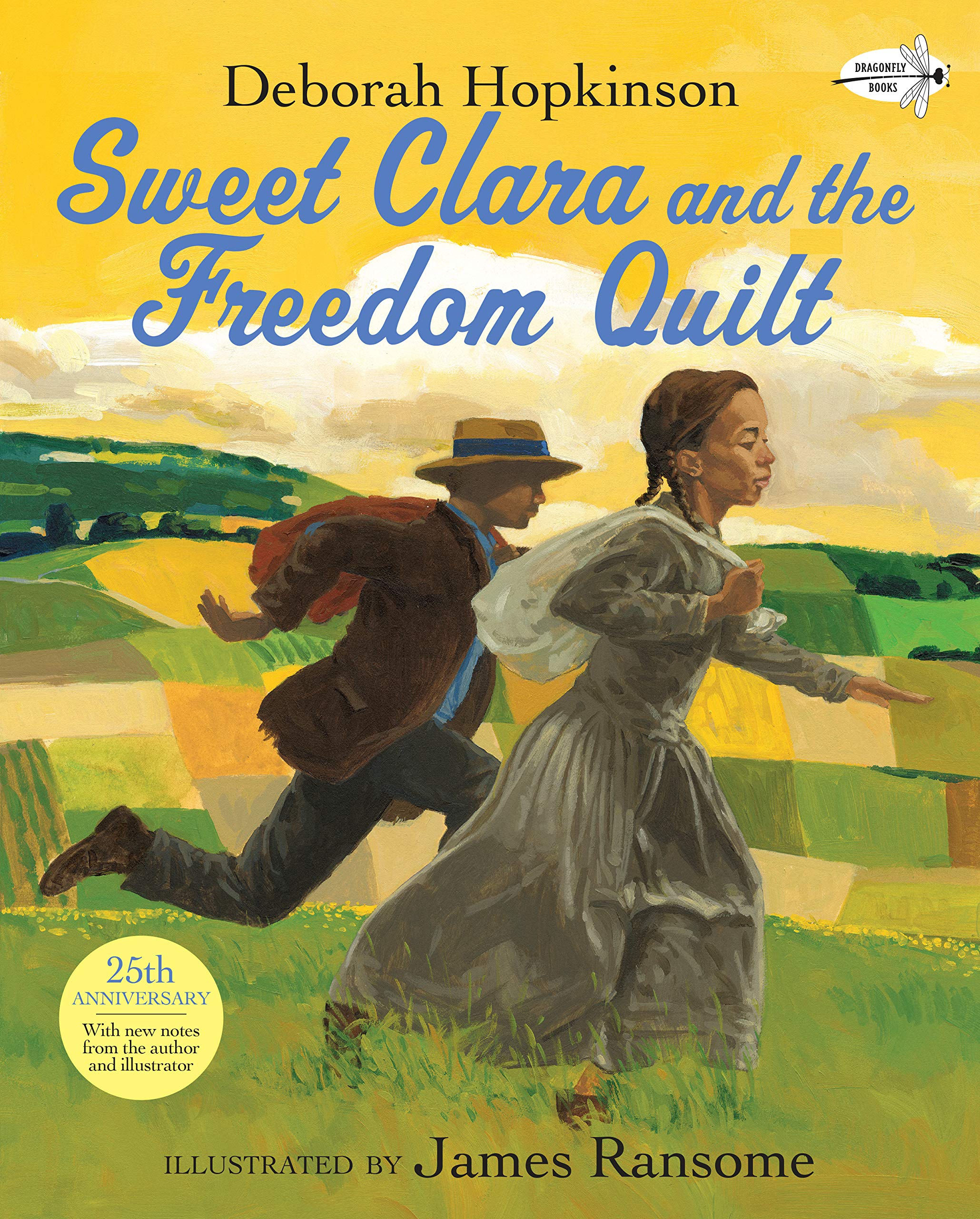
Sweet Clara and the Freedom Quilt by Deborah Hopkinson, published in 1993

Image result for sweet clara and the freedom quilt

How I Learned Geography by Uri Shulevitz, published in 2008

Chapter Book outside the US:

Africa is my Home: A Child of the Amistad by Monica Edinger, published in 2015

Chapter Book inside US:

Johnny Tremain by Esther Forbes, published in 1943

For this week’s blog post I decided to review “Sweet Clara and the Freedom Quilt” by Deborah Hopkinson. I have read this book before and I think it is a great book to use in classrooms to teach about our history. Clara was a young girl who got ripped away from her mother when she was only twelve years old to work on a plantation. She learned how to sew very well from her Aunt Rachel. She began to listen to stories about people escaping and from other workers- what the world looked like beyond the plantation. She decided to sew a map quilt of the road beyond the plantation- the road to freedom. At the end of the story, it is explained that many people used her quilt to escape to freedom.

To review this book, the ECL book uses the guiding questions of authenticity, traditions, dialogue, and perspectives throughout the story. This story has an authentic setting and can teach children about slavery in America. The dialogue is authentic to the time period and also easy to read for students. The perspective of the story is through the eyes of Clara and how she holds onto hope throughout the story. I think this is a good book to use to teach students about history, perseverance, and hope.

To evoke reader’s response, I would ask students about a time they needed to hold onto hope. This story is a heavy topic for students, so focusing on the facts and history is important, while also trying to help students somehow make a connection to the story. Clara held onto hope throughout the story and this helped her persevere and create her quilt which lead many people to freedom. I would use this in my classroom by teaching about the history of slavery in a grade-appropriate manner and about maps. I would create an activity that integrates art and social studies together. I would have students create a quilt map from their house to school, or from somewhere familiar to them (could even be from the playground to the classroom). I would have them explain how maps are useful for everybody.

Realistic Fiction

For this week’s post I chose to read:

Picture books:

Odd Velvet by Mary E. Whitcomb, Published in 1998


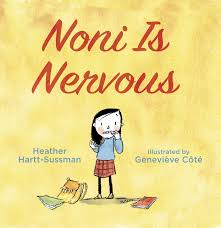
Noni is Nervous by Heather Hartt-Sussman, Published in 2013

Sasquatch:

Out of My Mind by Sharon Draper, Published in 2010

Newberry:

Last Stop on Market Street by Matt De La Pena Published in 2015

For this week’s post, I decided to review the book “Odd Velvet” by Mary E. Whitcomb. “Odd Velvet” is about a little girl who is different than everyone else. When everyone brought her teacher gifts during school, most of which were dolls, but Velvet brought her teacher an egg carton full of different things. Velvet didn’t care that she was different. She had invited all her classmates to her birthday party, and they started to make rumors that she lived in an old dark house. She lived in a small house, and she loved it. Her classmates came to her party and had fun, even though they did not have much to play with.

This story is one I will definitely read to my class. The book explores differences in your classmates and how people appear to be very different, but you probably have more in common with them then you think. This book discusses how differences are cool, and not something to be ashamed of. It will teach students to talk to classmates they may seem different than them and to treat them nicely. The author uses descriptive and figurative language throughout the story. The author used a rhythm to her story that makes it flow easily while reading. In chapter 9 of ESL, one of the criterion for evaluation is “is the story a thin disguise for a heavy-handed moral lesson?” This book delivers a moral lesson that all children should understand. Another aspect of the evaluation of realistic fiction books is if the story is believable. This book is very believable and relatable for students.

To incorporate this book in my classroom, one activity I would do is comparing and contrasting characteristics with classmates. This can be done with groups or partners, where students find two things they have in common and two things that are different. This would be a fun way for students to learn more about their classmates. One way to evoke the reader’s response, would be to ask students to write one thing that is unique about them. Students will explore the differences of their classmates and themselves.

Fantasy & Science Fiction!

For this week’s post I read:

Classic Fantasy Unabridged: Harry Potter and the Sorcerer’s Stone by J.K. Rowling, published in 1998

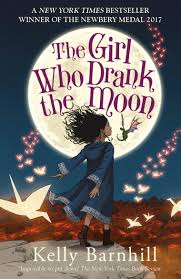
Newberry Award Winner (2017): The Girl Who Drank the Moon by Kelly Barnhill, Published in 2016

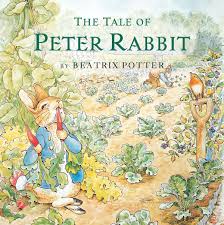
Picture Books: The Tale of Peter Rabbit by Beatrix Potter, Published in 1902

Clever Jack Takes the Cake by Candace Flemming, Published in 2010

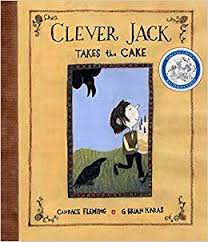
For this week’s genre of fantasy and science fiction, I decided to review the book “Clever Jack Takes the Cake” by Candace Flemming. This story is about a poor boy who gets invited to the castle for the princess’s birthday. He wanted to go very badly, but he didn’t have anything to give her. He ended up trading to get ingredients to bake a cake. He made the cake and picked a perfect strawberry to go on top of the cake. On his journey to the castle, his cake got eaten and he used the candles that were on top of it. The only thing left of the cake was the perfect strawberry for the princess. When he made it to the castle, he noticed the princess was bored with all the gifts people were giving her. The guard ended up eating the strawberry he got because the princess was allergic to strawberries. He didn’t have anything for the princess, so he told her the story of what happened and she loved it!

I think this is a really fun fantasy book for children. In chapter 8 of the ECL book, one of the questions asked for evaluating fantasy is “does the story have an internal logic and consistency that allows the impossible to be real?”. In this fantasy, the author does a good job setting up the plot and creates a realistic fantasy by adding fictional characters to a normal storyline. When Jack is on his journey through the forest, he gets stopped on a bridge by a troll who demands to be paid. The added element of the troll adds a twist on his journey to the castle. Another question to ask while reviewing fantasy books is “does the author provide a unique imaginative setting?”. Like I said above, the author adds in fun characters that make the story a fantasy. The illustrator adds to the story by adding amazing detail throughout the book that makes the story come alive.

One activity I would have my students do in relation to the book is create a gift to give to the “princess”. I would give the students only a certain set of supplies, but they can create whatever gift they would like. This would be a fun way to let students be very creative, with a set of rules and supplies. One way to evoke reader’s response is using the strategy “leaning in” where students rely on the pictures to help them understand the story in more detail. While students are reading, you have them pause and think about how the pictures add to the story and students write their response in their notebook.

Children’s Poetry!

The books I read this week included:

Collection:

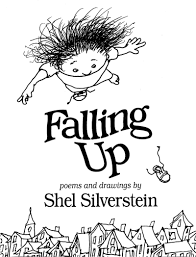
“Falling Up” by Shel Silverstein, published in 1996

Anthology: “Sharing the Seasons: A Book of Poems by Lee Bennet Hopkins (compiler) Illustrated by David Diaz, published in 2010


Picture Books Illustrating Poems:

“Oh, the Places You’ll Go!” by Dr. Seuss, published in 1990

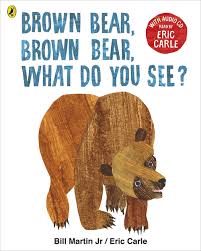
“Brown Bear, Brown Bear, What do you See?” By Bill Martin Jr., published in 1967

For this week’s blog post, I chose to read a variety of poems by a variety of authors. By far, my favorite poem out of the ones I read is “Oh, the Places You’ll Go!” by Dr. Seuss because it is a classic and brings me back to my childhood. Dr. Seuss does a wonderful job creating poems that illustrate a story for children to follow along to. I love this particular poem by Dr. Seuss because it conveys a wonderful meaning to students- reach for the stars and don’t give up! I think this book is a wonderful addition to every classroom. I remember reading it in elementary school and I had a teacher read it to my class in high school before we graduated. I think every student should read this story to give them confidence in their school work and everyday life.

Dr. Seuss uses words in a creative way, making a poem with so much meaning behind it. Dr. Seuss discusses how far you’ll go and the amazing path along the way. He also discusses the hardships that may occur along your path. The way Dr. Seuss uses his words so seamlessly, it is almost like you are dreaming while reading.

In chapter 6 of the ECL book, one of the questions to ask for evaluating poetry is “Does the poet use authentic, fresh, and imaginative language and images to express ideas and emotions?” I think Dr. Seuss is known for his creative use of images and language to create an original experience while reading his poems. Another question the ECL book uses to evaluate poetry is “does the poem present the world through a child’s perspective and life experiences?” I think Dr. Seuss does a great job writing about the path of life through the eyes of children, with kid-friendly language.

One way to incorporate this book in the classroom is reading this book at the beginning of the year, and at the end. At the beginning of the year, you can talk about important topics students will be learning throughout the year but they will go far with the information. At the end of the year, re reading the book to the class and discussing what they have done throughout the year would be a great closing for the school year. To evoke reader’s response is asking students what they want to achieve for the school year and having them write down their own response in their notebook. Then, have students collaborate and come up with a few ideas with what they want to achieve as a class throughout the year. At the end of the year, have students return to the spot where they wrote their goals and reflect individually and as a class on what they have achieved so far.

Picture Books :)

The three picture books I read:

“Inky’s Amazing Escape” by Sy Montgomery Published: 2018

“My Great Aunt Arizona” by Gloria Houston Published: 1992

“Robinson” by Peter Sis Published: 2017

For this week’s reading, I chose to evaluate “Robinson” by Peter Sis. I recently discovered this book while searching for children’s books in a book store. The illustrations caught my eye immediately. The pages are full of color from the top to the bottom of the page, and it the pictures have a dreamy effect to them that captured my attention. The water color lines makes the pages come alive and add meaning to the story. This book is a picture storybook, with equal parts illustration and words on the page.

“Robinson” is about a young boy who loves adventure. When his school had a dress up day, his friends all wanted to dress up as pirates. His mother explained to him that he should dress up as Robinson Crusoe instead of a pirate because he loves adventure and Robinson Crusoe was a wild adventurer. The boy decided to dress up as Robinson Crusoe, only to get teased by his friends. When a went home after dress up day, he drifted off to sleep and dreamed of a far away land. In his dream, he was alone on an island and figured out how to survive with the animals, before the pirates approached. He woke up from his dream to his friends apologizing and they all ended up dressing up as Robinson Crusoe.

The book tackles the struggle of being embarrassed in school in an appropriate way. I think most students can relate to a time they might have felt embarrassed at school. This book has a wonderful ending where his friends wanted to learn more about Robinson Crusoe, which shows students that apologizing to friends when their feelings are hurt is a great way to help them feel better. This book also dives into some identity aspects because all of his friends went as pirates but he decided to differ and dress up as who he wanted to be. This is a good lesson for students to express individuality, because in the end, everyone wanted to learn more.

I would definitely use this book in my classroom one day because students can learn and enjoy the pictures within this book. One way to implement this book into the classroom is through the Notebook Connections strategy “the fab five”. This book is between a second and third grade reading level, and in second and third grade retelling is a big focus. The fab five strategy is a way for students to retell the story using only five sentences. This strategy would be good to use along with this book because there are a lot of small details that are not important to the main points of the story. Students can learn to retell the story only using five important details – who? wants what? but? so? then?

One way to evoke reader’s response is to ask students questions about the deeper meaning of the story. Ask questions like “how does he feel throughout the story? does his feelings change? Why does he feel this way?” These questions will lead into the retelling of the story.


Multicultural Books

The multicultural books I read:

  1. “Separate is Never Equal” Author and Illustrator: Duncan Tonatiuh, Pub. Date: 2014
  2. “The Name Jar” Author and Illustrator: Yangsook Choi, Pub. Date: 2001
  3. “I am Sacagawea” by: Brad Meltzer, Illustrated by: Christopher Eliopolous Pub. Date: 2017
  4. “Undocumented: A Worker’s Fight” Author and Illustrator: Duncan Tonatiuh Pub. Date: 2018

 I chose to review “Separate is Never Equal” by Duncan Tonatiuh. This book is about Sylvia, a third grader, and her families fight to go to the same school as everyone else. When Sylvia and her family moved from Santa Ana, California to a farm near Westminster, her aunt went to enroll Sylvia, her brothers, and her cousins at the nearby public school. When Sylvia went to enroll, the secretary denied her enrollment and demanded she went to the “Mexican School”. When Sylvia and her aunt questioned this, the secretary did not have an answer, all she said was “it was the rules”. Sylvia spoke perfect English and both her parents were citizens of the United States, so she did not understand why she did not get the same opportunity as everyone else. Sylvia and her brothers went to the “Mexican School” where the building was old, dirty, and located near a cow pasture. Her parents did not approve of this school because it was under developed and the teachers did not have high expectations of the students. The teachers expected the students to dropout in eighth grade. Her father was furious about the unfair treatment going on in the school system, so he decided to do something about it. He gathered other parents and families that experienced the same unequal treatment and found a lawyer to represent them. Sylvia’s father and his lawyer decided to file a lawsuit against the public school for unequal treatment. After almost a year of trials, the judge ruled in favor of Sylvia’s family, stating that anyone regardless of race can go to public school.

This book had some very interesting elements to it, that will help with multicultural education. Implementing multicultural children’s books into classrooms is an important aspect of teaching. This book discussed the unfair treatment of latinx people in the public-school system. I think it is important for students to understand our history and the unfair treatment people of color faced. This book discussed this issue in a children friendly manner, so I would definitely use it in my classroom to teach. Not only does this book display culturally pluralistic ideas, but the illustration conveys added meaning to the story. Duncan Tonatiuh does an amazing job creating unique illustrations for his stories. His characters have cartoon-like features, while displaying a realistic story through his drawings. Tonatiuh uses foreshadowing through out his book, giving you clues to what might happen next in the story. I found myself predicting what would happen in the ending, while reading the middle of the story.

One way to implement this book into a lesson or activity would be reading the book to the classroom, followed by a discussion and then an activity. After reading the book, I think it would be a good idea to have a discussion with students about the book because it is an intense topic to discuss. After the discussion, I would read statements to students and the students have to decide whether the statement/situation is fair or unfair by walking to one side of the room. Students will then have the opportunity to discuss why they had their answer- only if they want to discuss it. This would be a great way to have student think about unequal treatment throughout the world in a kid friendly way.

Introduction to me!

My name is Alyssa Natsiopoulos and I am from Puyallup, Washington which about two hours away from Ellensburg. I am a junior at Central Washington University, majoring in Elementary Education with a minor in TESL. I am currently a yoga and barre instructor at the CWU Rec Center, which is where I spend most of time. I enjoy taking time out of my day to relax and focus my mind through my practice of yoga.

My goal after college is to teach at a lower income/or title 1 school to help students in need. I want every student to value the importance of education starting at a young age. After I teach for about a year, I plan to slowly take courses to get my master’s degree to further my education in my field. I want to be continuously learning new research on teaching throughout my life, so I can be updated on my active teaching.

I always enjoyed reading as a child, until I reached high school. I think the reason for this was because I did not have time to read books that actually interested me, and I was required to read books for my classes. In college, I find myself wishing I had the time to read for pleasure because I truly enjoy a good book, but I am very busy with classes and only get the chance to read educational books.